Repair vs. Replace Your Dryer – Cost Comparison
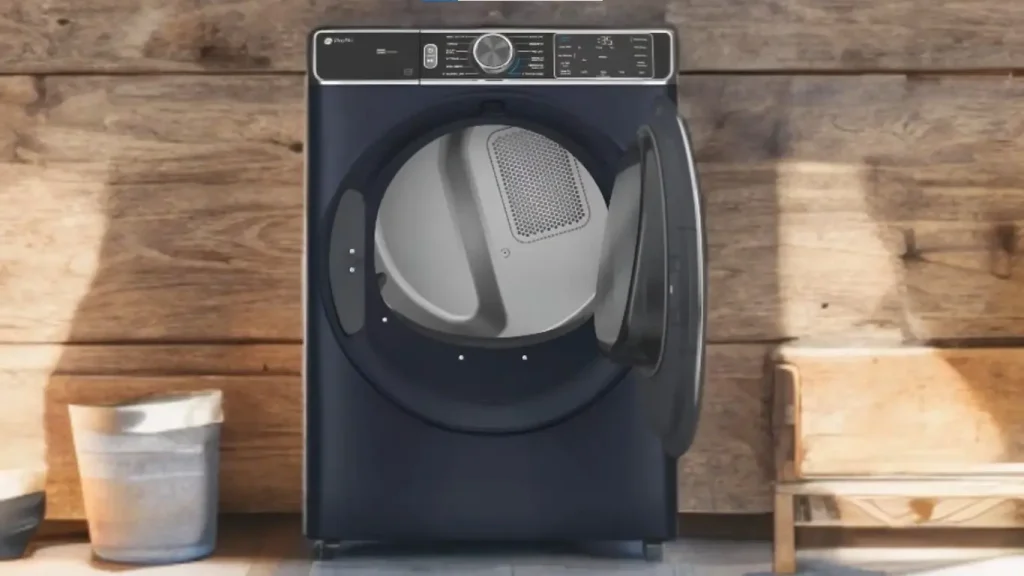
Your dryer stops heating or the drum will not turn. The repair quote arrives. You now face a clear choice: fix the current machine or buy a new one.
Most dryers last 10 to 13 years with normal use. Electric models often reach the higher end of that range. Gas models sit closer to 10–13 years because of extra components such as the igniter and gas valve. Age, repair cost, and the type of failure decide the outcome.
Typical Dryer Repair Costs in 2026
Most dryer repairs fall between $100 and $350, including parts and labor. Common jobs include:
Problem | Typical Repair Cost | Notes |
Thermal fuse | $75–$200 | Often caused by a restricted vent |
Heating element (electric) | $150–$350 | Dryer tumbles but no heat |
Belt or drum rollers | $100–$300 | Drum will not spin or makes noise |
Gas igniter or valve coils | $100–$350 | Gas dryer runs but no heat |
Drive motor | $200–$400 | Higher-end repair |
Control board | $200–$450 | Less common |
A diagnostic fee of $70 to $130 is common and is frequently applied toward the repair. Gas dryer heating-system work can cost slightly more than electric because of specialized parts and safety requirements.
What a New Dryer Costs
A standard new electric dryer typically ranges from $600 to $1,200. Gas models often start higher and may require gas-line work. Installation, vent updates, and haul-away of the old unit add to the true replacement cost. Heat-pump dryers cost more upfront but use less energy over time.
The Practical Decision Framework
Use both age and cost together.
Repair usually makes sense when:
- The dryer is under about 8–10 years old.
- The repair involves a common part (thermal fuse, heating element, igniter, belt, rollers, or thermostat).
- The quoted cost stays well under half the price of a comparable new dryer.
- The machine has been reliable until now, and the vent is clear.
Replacement usually makes more sense when:
- The dryer is past 12–13 years and needs a major repair such as a motor or control board.
- The repair quote reaches or exceeds roughly 50% of a similar new unit.
- Multiple problems have appeared in a short time.
- The vent system is damaged, or the cabinet shows heavy wear.
A $180 heating-element repair on a seven-year-old dryer is almost always worth doing. A $350 motor job on a 14-year-old machine is a closer call and often favors replacement.
How Age Changes the Math
Under 8 years: Most failures favor repair. Remaining life is long enough to recover the cost.
8–12 years: Common repairs (fuse, element, belt, igniter) still make sense. Motor or board failures require careful comparison to new-unit pricing.
Over 12–13 years: Major repairs more often favor replacement. Even successful fixes may be followed by another failure within a few years.
Dryers are generally more repair-friendly than washers or refrigerators because many parts are relatively inexpensive and easy to access.
Why Restricted Vents Matter
A clogged or crushed dryer vent is one of the top reasons thermal fuses blow and heating elements fail early. Restricted airflow forces the dryer to overheat. Replacing the fuse or element without cleaning the vent often leads to the same failure again.
Clean the lint screen after every load. Inspect the full vent run from the dryer to the exterior hood at least once a year. Strong airflow at the outdoor vent is a good sign. Weak flow points to a blockage. Many no-heat problems start here — see our guide on dryer not heating.
Energy and Operating Costs
Newer dryers are more efficient than older models, but the annual savings are usually modest compared with the purchase price. Gas dryers often cost less to operate per load than conventional electric models in many areas. Heat-pump dryers use the least electricity but cost more upfront and take longer per cycle.
Energy savings alone rarely justify replacing a working dryer. They strengthen the case when a major repair is already borderline.
Local Notes for Stockton Homes
Stockton’s hot, dry summers increase dryer run times and stress heating components. Dusty conditions common in the Central Valley accelerate lint buildup in vents and on coils. Homes with long or flexible vent runs see more frequent airflow restrictions.
Regular vent cleaning is especially important here. Rigid or semi-rigid metal ducting performs better than thin foil or plastic venting. Addressing slow drying times early often prevents thermal-fuse failures and higher repair bills.
A Simple Way to Decide
- Get a written diagnosis and repair quote.
- Note the exact age and overall condition of the dryer.
- Compare the repair cost to the installed price of a similar new model.
- Confirm the vent system is clear.
- Factor in recent repair history and remaining expected life.
If the numbers favor repair and the unit still has solid years ahead, fixing it usually costs less in the short term. If the quote is high and the dryer is already well past the midpoint of its life, replacement reduces the chance of another failure soon after.
Bottom Line
In 2026, most dryer repairs under $300 on units younger than 10–12 years are worth doing. Thermal fuses, heating elements, igniters, belts, and rollers are common and relatively affordable fixes. Motor or control-board failures on machines past 12–13 years more often favor replacement once the cost approaches half the price of a new comparable dryer.
A clear diagnosis from a local technician gives you the exact numbers needed to decide with confidence. Stockton homeowners who weigh age, repair cost, vent condition, and remaining life carefully avoid both unnecessary spending and premature replacement.