Dryer Not Heating – Gas vs Electric Causes
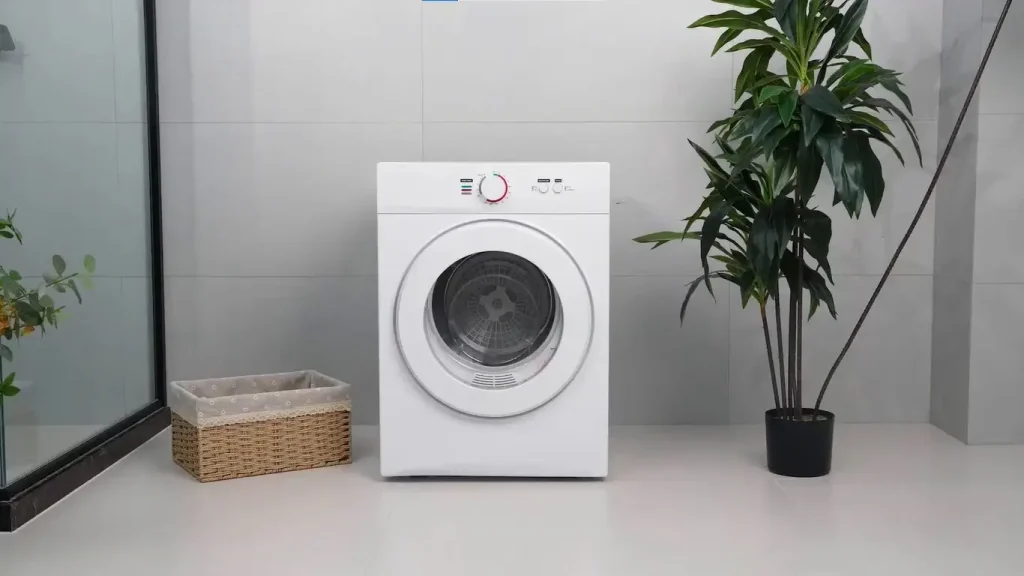
Your dryer tumbles, the timer runs, and the clothes come out damp and cold. This is one of the most frequent dryer problems for Stockton homes. The drum and motor often work fine while the heat system fails. Gas and electric dryers heat in completely different ways, so the cause depends on which type you own.
How Electric and Gas Dryers Produce Heat
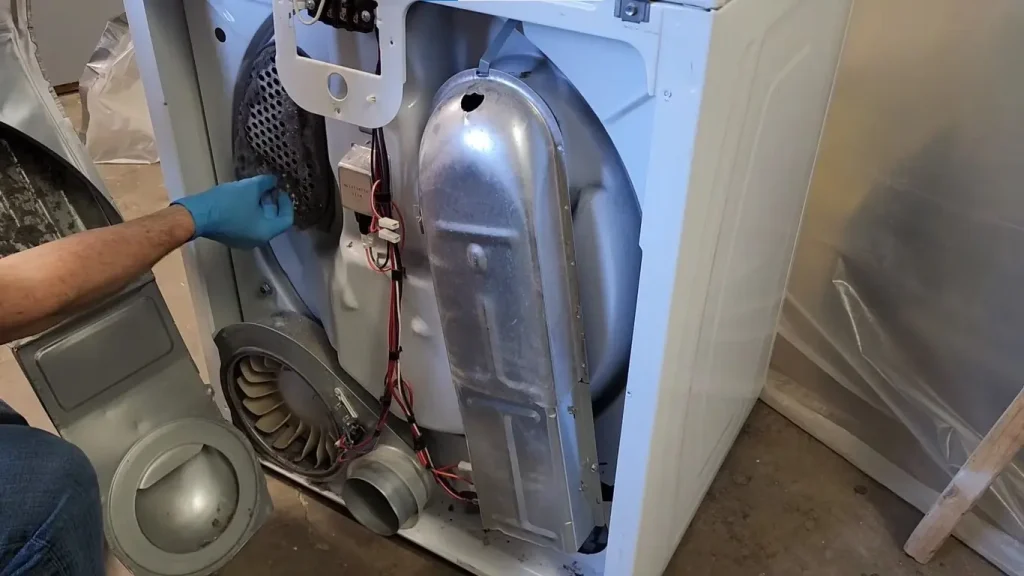
Electric dryers use a heating element—a coiled wire that glows when 240 volts passes through it—while the motor runs on 120 volts. That is why the drum can spin even when heat is missing. Gas dryers use a burner where an electric igniter glows hot enough to light the gas, gas valve coils open to let gas flow, and a flame sensor confirms the burner is lit.
These machines also use a thermal fuse and thermostats for safety. Both types rely on good airflow, as restricted vents cause overheating and trip safety devices on either design.
Common Causes on Electric Dryers
1. Blown Thermal Fuse
The thermal fuse is a one-time safety device. It opens permanently when the dryer overheats. A clogged vent is the usual trigger. Once the fuse blows, the dryer runs but produces no heat.
2. Failed Heating Element
The element burns out from age or repeated overheating. A break in the coil stops all heat. The dryer still tumbles normally.
3. High-Limit or Cycling Thermostat Failure
These thermostats control temperature and protect against overheating. A failed high-limit thermostat can cut power to the element permanently. A stuck cycling thermostat may prevent heat from turning on.
4. Power Supply Issues
Electric dryers need both legs of a 240-volt circuit. If one breaker leg trips or fails, the motor can still run on 120 volts while the heating element gets no power.
Common Causes on Gas Dryers
1. Failed Igniter
The igniter must glow bright orange to light the gas. These parts become brittle and crack after years of use. When the igniter fails, the dryer runs with no flame and no heat.
2. Gas Valve Solenoid Coils
The coils open the gas valve when the igniter reaches temperature. If the coils fail, the igniter may glow but the gas never flows. No flame appears.
3. Thermal Fuse
Just as on electric models, a restricted vent can blow the thermal fuse and cut heat while the drum continues to turn.
4. Flame Sensor or Related Safety Parts
A failed flame sensor or high-limit thermostat can also stop the heating cycle.
Shared Problem: Restricted Venting
A clogged or crushed dryer vent is one of the top reasons dryers stop heating or take multiple cycles. Lint buildup traps heat. Safety devices then shut off the heat source to prevent fire risk.
Clean the lint screen after every load. Inspect the full vent run from the dryer to the exterior hood. Restricted airflow shortens the life of thermal fuses, thermostats, and heating components on both gas and electric machines. Slow drying is often the first warning sign — see our guide on dryer taking too long to dry clothes.
Safe Checks You Can Perform First
- Confirm the heat setting is not on “air fluff” or “no heat.”
- Check the circuit breaker for electric dryers. Reset both poles of the 240-volt breaker.
- Clean the lint screen and look for heavy lint in the vent hose.
- Feel for strong airflow at the exterior vent while the dryer runs. Weak flow points to a blockage.
- On gas dryers, make sure the gas supply valve is fully open.
Do not open the cabinet or test high-voltage or gas components unless you have proper training and tools. Gas work and internal electrical testing belong to a qualified technician.
When to Call a Technician
Call a technician if
- The dryer tumbles but produces no heat after basic checks.
- You smell gas near a gas dryer.
- The thermal fuse has blown more than once.
- Clothes take two or three full cycles to dry.
- The dryer is still under warranty.
Technicians can test the heating element, igniter, gas valve coils, thermal fuse, and thermostats safely. They also inspect the full vent path.
Typical Repair Costs
Most no-heat dryer repairs fall between $100 and $300. Thermal fuse replacement is usually on the lower end. Heating element or igniter work commonly lands in the middle of that range. Gas valve coil kits are also relatively affordable parts.
A diagnostic fee often runs $70 to $130 and is frequently applied toward the repair. Repair makes sense when the dryer is otherwise reliable and still has useful years remaining. Most dryers last 10 to 13 years with proper vent care.
Local Notes for Stockton Homes
Stockton’s hot, dry summers increase the load on dryers. Longer run times and higher ambient temperatures stress heating components. Dusty conditions common in the Central Valley also accelerate lint buildup in vents and on coils.
Homes with long or flexible vent runs see more frequent airflow restrictions. Rigid or semi-rigid metal ducting performs better than thin foil or plastic venting. Regular vent cleaning is especially important in local conditions.
Prevention Tips
- Clean the lint screen after every load.
- Inspect and clean the full dryer vent at least once a year.
- Use rigid or semi-rigid metal ducting where possible. Avoid overloading the dryer
- . Keep the area around the dryer clear for airflow.
- Address slow drying times early before a thermal fuse blows.
What a Professional Visit Usually Includes
A technician will confirm whether the dryer is gas or electric, test the power or gas supply, check the thermal fuse and thermostats, and inspect the heating element or igniter and gas valve coils. They also evaluate vent airflow. They explain the exact failure in plain language and provide the full cost before starting work. Most common no-heat repairs are completed in one visit.
Bottom Line
A dryer that runs but does not heat almost always has a problem in the heating circuit or restricted airflow. Electric dryers most often fail at the heating element or thermal fuse. Gas dryers most often fail at the igniter or gas valve coils. A clogged vent is a frequent root cause on both types.
Start with the simple checks for settings, power, and vent airflow. If heat does not return, professional diagnosis restores proper drying and reduces fire risk. Stockton homeowners who keep vents clear and address no-heat problems promptly avoid longer cycles and higher repair bills.
Contact a local technician when the basic steps do not restore heat. Clear testing and timely repair bring reliable drying back to the laundry room.