What Affects Appliance Repair Prices in the Central Valley?
Appliance repair prices are not random. Several clear factors drive the final bill. Understanding them helps you compare quotes and avoid surprises. Most residential appliance repairs in the United States fall between $100 and $400.
The national average completed job often lands near $250–$300. California pricing, including the Central Valley, typically runs higher than the national baseline because of labor costs, licensing, and travel. Here is what actually moves the number in Stockton and surrounding Central Valley communities.
1. Diagnostic or Service Call Fee
Almost every reputable company charges a diagnostic fee. National ranges sit between $70 and $130. This fee covers the technician’s travel, time on site, and the work required to identify the exact failure.
Many companies apply the diagnostic fee toward the repair if you approve the work. Confirm this policy before booking. A fee that is not credited raises the true cost of the job.
2. Labor Rates and Time on Site
Labor rates commonly run $50 to $125 per hour nationally. California markets often sit at the higher end of that band. Most repairs take 30 to 90 minutes once the diagnosis is complete. Complex jobs take longer.
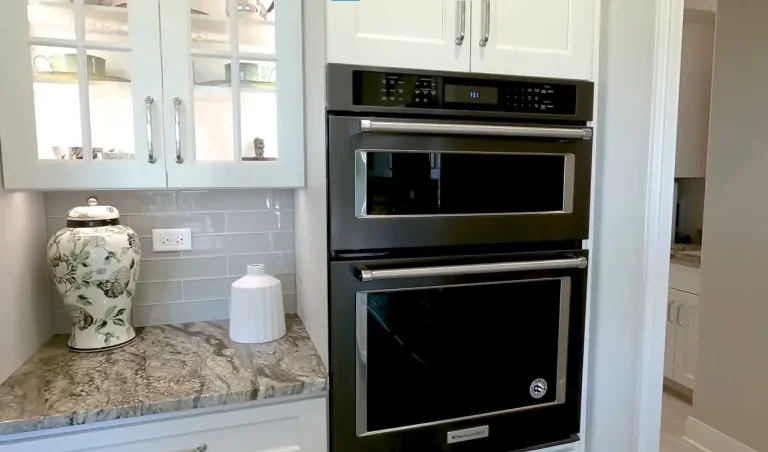
Access affects time. A freestanding dryer or washer is usually faster to service than a built-in dishwasher or a counter-depth refrigerator that must be pulled from cabinetry. Extra labor minutes raise the final price even when the part itself is inexpensive.
3. Parts Cost and Availability
Parts create the widest price swings. A thermal fuse or door latch may cost only a few dollars. A control board, circulation pump, or sealed-system component can cost hundreds. Brand matters.
Standard brands such as Whirlpool, GE, Maytag, and Frigidaire generally have lower part prices and better availability. Premium and built-in brands (Sub-Zero, Bosch, Miele, Thermador, and similar) often carry significantly higher part costs. OEM parts usually cost more than quality aftermarket equivalents, but some warranties and manufacturers require OEM. Older or less common models can face longer wait times or higher prices when parts must be special-ordered.
4. Type of Appliance and Failure
Different appliances have different cost profiles:
- Dryers and simple mechanical failures often sit at the lower end.
- Dishwashers and washers fall in the middle for most pump, valve, and latch work.
- Refrigerators run higher, especially when sealed-system or compressor work is required.
- Control boards across all appliances push costs upward.
A simple heating-element or thermal-fuse job on a dryer is typically far less expensive than a refrigerator compressor or a dishwasher control board.
5. Local Climate and Environmental Factors in the Central Valley
Central Valley conditions affect both how often appliances fail and how hard they work.
Heat
Summer temperatures regularly push systems harder. Refrigerator compressors run longer and more frequently in hot weather. This extra runtime can shorten component life and increase the chance of earlier failure compared with cooler climates.
Dust
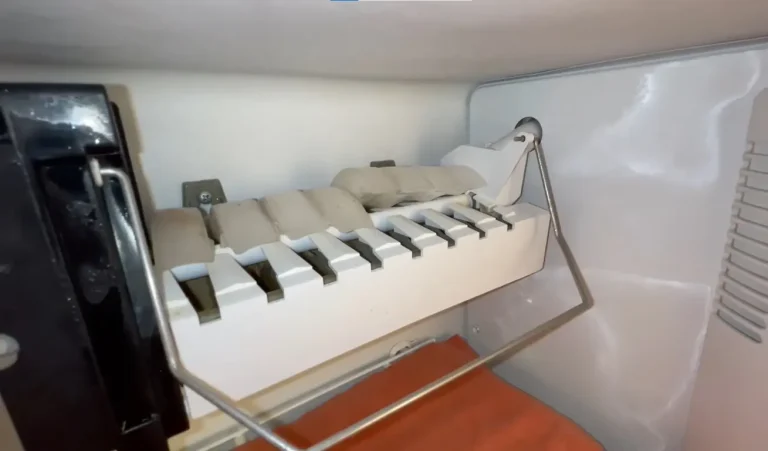
Agricultural dust and fine particulate matter are common. Dust coats condenser coils on refrigerators and clogs dryer vents faster. Dirty coils force compressors to work harder. Restricted dryer vents cause overheating and blown thermal fuses. Both issues raise repair frequency and sometimes the scope of the job.
Hard Water
Much of the Central Valley has hard water with elevated calcium and magnesium. Scale builds up on dishwasher heating elements, water inlet valves, and pumps. It also affects washing machines. Scale shortens part life and can turn a simple repair into a more involved one if multiple components are affected.
These local conditions do not change the diagnostic fee, but they do influence how often certain failures appear and how long parts last after repair.
6. Emergency and After-Hours Service
Same-day, evening, weekend, or holiday service usually carries a premium. The surcharge can add $50 to $150 or more depending on the company and timing. Planning repairs during regular business hours keeps costs lower when the situation is not urgent.
7. Technician Experience and Business Model
Independent local technicians and smaller shops often have lower overhead than large national chains. Pricing structures differ. Some companies use flat-rate pricing for common repairs. Others charge time and materials. Transparent companies provide a written estimate after diagnosis and before any repair begins.
How These Factors Combine
A typical bill includes:
- Diagnostic / service call fee
- Parts
- Labor time beyond the initial diagnostic window
- Any applicable emergency or travel adjustments
Two homes with the same model of dishwasher can receive different quotes if one unit is freestanding and easy to access while the other is tightly installed, or if one needs a simple valve and the other needs a control board.
Practical Ways to Control Costs
- Ask whether the diagnostic fee is applied toward the repair.
- Request a written estimate before authorizing work.
- Clean dryer vents and refrigerator condenser coils regularly. This reduces heat-related and dust-related failures.
- Address hard-water scale with regular filter cleaning and occasional descaling on dishwashers and washers.
- Schedule non-emergency repairs during normal business hours.
- Compare the repair quote against the age of the appliance and the cost of a comparable new unit using the common 50% guideline.
Bottom Line
Appliance repair prices in the Central Valley are driven by diagnostic fees, labor rates, parts cost and availability, appliance type and access, and local environmental stress from heat, dust, and hard water. California labor and operating costs generally place local pricing above the national average.
A clear diagnosis and written estimate remove most of the uncertainty. Knowing which factors apply to your situation helps you evaluate quotes fairly and decide whether repair or replacement makes the most sense for your home.