Oven Not Heating Evenly – Causes and Solutions
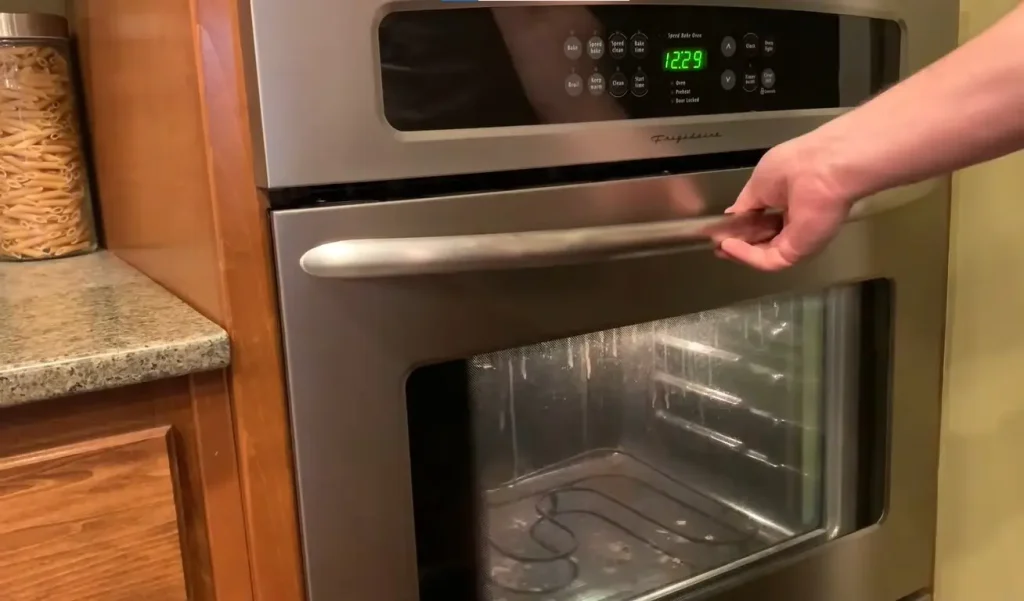
Cookies brown on one side and stay pale on the other. Cakes rise unevenly. Roasts finish dry on the edges and underdone in the center. These results point to an oven that is not heating evenly.
Uneven heating is a common complaint with both electric and gas ovens in Stockton homes. The problem usually comes from a weak heating element, a failed convection fan, a drifting temperature sensor, or restricted airflow. Some causes are simple to check. Others need professional diagnosis.
How Ovens Distribute Heat
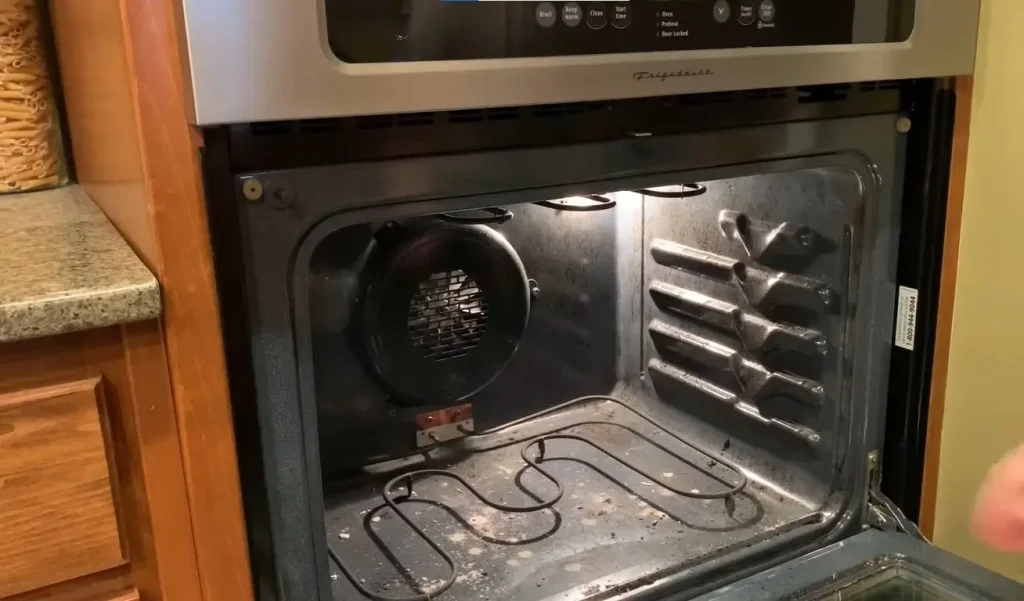
Electric ovens use a bake element at the bottom and a broil element at the top. Gas ovens rely on a burner and, in many models, an igniter. Convection ovens add a fan that moves hot air around the cavity. Even heat depends on all of these parts working correctly and on free airflow inside the oven.
When one component weakens or fails, hot and cold zones appear. Food then cooks at different rates depending on its position in the oven.
Most Common Causes
1. Failing Bake or Broil Element (Electric Ovens)
The bake element sits at the bottom of the oven. Over time, it can develop weak spots, blisters, or open sections. One part of the element may glow while another stays dark. This creates clear hot and cold zones.
The broil element at the top can fail in the same way. When either element is compromised, heat distribution suffers.
2. Weak or Failed Igniter (Gas Ovens)
On gas ovens, the igniter must reach a high enough temperature to open the gas valve safely. A weak igniter may glow but fail to light the burner consistently. The oven then cycles irregularly and produces uneven results.
3. Convection Fan Problems
In convection models, the fan circulates hot air. If the fan motor slows, sticks, or fails, air movement stops. Heat then rises and pools at the top or settles in pockets. Top racks brown faster while lower racks lag behind.
4. Temperature Sensor Issues
The temperature sensor is a thin probe, usually at the back of the oven cavity. It tells the control board when to turn the heating elements or burner on and off. A dirty, bent, or drifting sensor can cause the oven to cycle too early or too late. The overall temperature may run high or low, and in some cases the cycling becomes irregular enough to create uneven results.
5. Damaged Door Seal
A worn, cracked, or loose door gasket lets heat escape. The oven works harder to maintain temperature, and air currents near the door become inconsistent. Food near the front may cook differently from food at the back.
6. Restricted Airflow from Loading or Foil
Overcrowding the oven or lining the bottom with foil blocks natural air movement. Hot air cannot circulate freely. This creates artificial hot and cold spots even when the heating system is healthy.
Safe Checks You Can Perform First
- Place an oven thermometer on the center rack. Preheat to 350°F and compare the reading after 20 minutes. Note any large difference from the set temperature.
- Watch the bake element (electric) during preheat. It should glow evenly along its full length. Dark sections or visible damage indicate a problem.
- Check that the convection fan (if present) spins freely and moves air.
- Inspect the door seal for gaps, cracks, or hardness.
- Remove any foil from the oven floor and avoid overcrowding racks. Leave space around pans for air to move.
- Confirm the oven is level. An unlevel unit can affect how heat and air settle.
These steps identify many simple causes and give useful information if a technician is needed.
When to Call for Professional Service
Call a technician if:
- The bake or broil element shows damage or fails to glow evenly.
- The convection fan does not run or makes unusual noise.
- Temperature readings vary widely across the oven or stay far from the set point after calibration attempts.
- The door seal is damaged and needs replacement.
- Gas ignition is weak or inconsistent.
- The oven is still under warranty.
Replacing elements, sensors, fans, or igniters requires safe handling of electrical or gas components.
Typical Repair Costs
Oven repairs commonly range from $150 to $350. Many heating-element or sensor jobs fall in the $150 to $300 range once parts and labor are combined. A diagnostic fee often runs $70 to $130 and is frequently applied toward the repair. Heating element replacement is one of the more common and straightforward repairs.
Control board or major fan work costs more. Repair usually makes sense when the oven is otherwise reliable and still has useful years remaining. Most ranges and wall ovens last 13 to 15 years with normal care.
Local Notes for Stockton Homes
Stockton’s hot summers increase kitchen temperatures. Higher ambient heat can make an already uneven oven more noticeable during long baking sessions. Dusty conditions can also coat sensors and fan blades over time, reducing accuracy and airflow.
Homes with older electric ranges often see bake-element wear after years of regular use. Regular cleaning of the oven cavity and sensor area helps maintain more consistent performance.
Prevention Tips
- Avoid lining the oven floor with foil.
- Leave space between pans and the oven walls.
- Use the center rack for most baking.
- Clean spills promptly so they do not bake onto elements or the sensor.
- Check the door seal periodically for wear.
- Keep the oven level.
- These habits support even heat distribution and reduce strain on components.
What a Professional Visit Usually Includes
A technician will test the heating elements or igniter, measure sensor resistance, check the convection fan, and verify temperature accuracy with a calibrated thermometer. They explain the exact problem in plain language and provide the full cost before starting work. Most element, sensor, and fan repairs are completed in a single visit with quality parts and a clear warranty.
Bottom Line
An oven that heats unevenly is usually caused by a weak or damaged heating element, a failing convection fan, a drifting temperature sensor, a poor door seal, or restricted airflow. Start with the simple checks. Many issues improve with better loading practices or basic cleaning.
If uneven results continue, professional diagnosis restores consistent heat and reliable baking. Stockton homeowners who address the problem early avoid wasted food and extend the useful life of the appliance.
Still getting uneven baking after the basic checks?
A professional diagnosis usually identifies the exact cause and restores consistent heat in a single visit. Contact a local Stockton technician for clear service and a straightforward repair estimate.