Refrigerator Making Loud Noises – When to Call a Technician

Your refrigerator has always made a soft hum, but now it rattles, squeals, or clicks loudly. The sound may come from the freezer, the back, or the bottom of the unit. Most refrigerators produce some normal operating sounds, such as a steady low hum, occasional clicking when the compressor starts, and light gurgling from refrigerant.
New or louder noises often signal a part that needs attention in Stockton homes. Knowing which sounds are normal and which point to a problem helps you decide when to call for service.
Normal Refrigerator Sounds
A quiet hum from the compressor is normal. Brief clicks occur when the thermostat or control board turns the compressor on or off. Gurgling or bubbling is refrigerant moving through the lines. A short buzz may occur when the ice maker fills with water.
These sounds come and go with the cooling cycle. They do not grow louder over time and do not affect temperatures inside the refrigerator or freezer.
Common Causes of Loud or Unusual Noises
1. Evaporator Fan Problems
The evaporator fan sits inside the freezer compartment, usually behind a rear panel. It moves cold air from the evaporator coils into the freezer and refrigerator sections.
Worn motor bearings often produce a high-pitched squeal, chirp, or grinding sound. Ice buildup on the fan blades can cause scraping or rattling. The noise frequently grows louder when the freezer door is open because the door switch keeps the fan running for testing.
2. Condenser Fan Issues
The condenser fan is near the compressor at the bottom or back of the refrigerator. It pulls air across the condenser coils to remove heat.
Dust, pet hair, and debris commonly collect on the blades and motor. A dirty or failing condenser fan creates a loud hum, rattle, or grinding noise. The sound usually stays the same whether the doors are open or closed.
3. Compressor and Start Relay Problems
The compressor is the heart of the cooling system. A healthy compressor produces a steady, moderate hum. An aging or failing compressor may knock, grind, or run with a much louder buzz.
A failing start relay often causes rapid clicking as the compressor tries and fails to start. Continued clicking can overheat and damage the compressor if left unaddressed.
4. Loose Parts and Vibration
A loose drain pan under the refrigerator can rattle. Tubing that vibrates against the cabinet or wall creates intermittent noise. An unlevel refrigerator amplifies vibration from the compressor and fans.
Items stored on top of the unit can also rattle when the compressor runs.
5. Ice Maker and Water Valve Sounds
The ice maker produces its own set of clicks, whirrs, and occasional knocks during the harvest and fill cycles. A stuck or failing water inlet valve can create a loud, prolonged buzz when it tries to open.
Safe Checks You Can Perform First
Unplug the refrigerator before inspecting fans or cleaning coils.
- Confirm the refrigerator is level. Adjust the front feet if needed.
- Pull the unit away from the wall and clean dust from the condenser coils and fan area with a brush or vacuum.
- Listen carefully to locate the source. Open the freezer door and note whether the noise changes.
- Check for ice buildup around the evaporator fan in the freezer.
- Make sure nothing is touching the back or sides of the refrigerator.
- Secure any loose drain pan under the unit.
These steps often quiet simple vibration- and debris-related noises.
When to Call a Technician
Call a technician if Call a technician if the noise is a loud squeal, grind, or continuous rattle that does not improve after cleaning and leveling. Professional refrigerator repair can prevent larger damage when these sounds continue.
- The noise is a loud squeal, grind, or continuous rattle that does not improve after cleaning and leveling.
- Rapid clicking continues, and the refrigerator is not cooling properly.
- The compressor makes loud knocking or the unit feels unusually hot at the back.
- Temperatures in the refrigerator or freezer rise while the noise continues.
- You smell burning or notice the unit struggling to maintain cold temperatures.
- The refrigerator is still under warranty.
Fan motor replacements are common and usually straightforward. Compressor or sealed-system problems require specialized tools and training.
Typical Repair Costs
Fan motor repairs commonly range from $150 to $300. Start relay replacement is often less expensive. Compressor work is significantly higher and may range from several hundred dollars upward depending on the model and refrigerant type.
A diagnostic fee often runs $70 to $130 and is frequently applied toward the repair. Repair usually makes sense when the refrigerator still cools well and has remaining useful life. Most refrigerators last 13 to 17 years.
Local Notes for Stockton Homes
Stockton’s hot summers force refrigerators to run longer and harder. Higher ambient temperatures increase the load on the condenser fan and compressor. Dusty conditions common in the Central Valley also load condenser coils and fan blades faster.
Homes with pets often see quicker buildup of hair on the condenser fan. Regular coil cleaning helps reduce noise and keeps the cooling system efficient during peak summer months.
Prevention Tips
- Clean condenser coils at least once a year, or more often in dusty homes.
- Keep the refrigerator level.
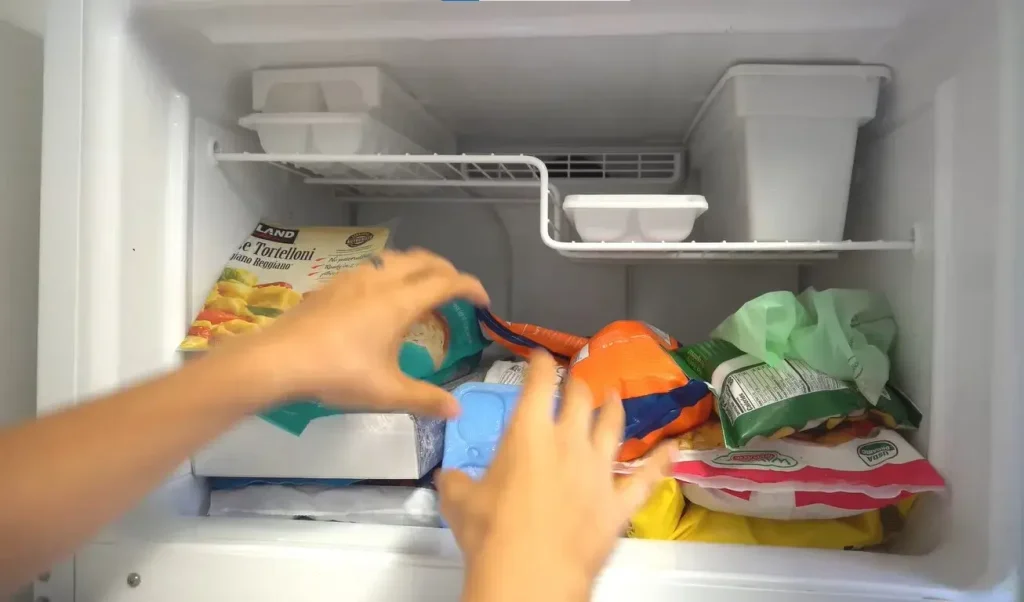
- Avoid packing the freezer so tightly that air cannot reach the evaporator fan.
- Leave space behind and around the unit for airflow.
- Address small changes in sound early before they become loud failures.
What a Professional Visit Usually Includes
A technician will listen to isolate the noise source, inspect both fans, check the start relay, examine the compressor area, and verify temperatures. They explain the exact problem in plain language and give the full cost before starting work. Most fan and relay repairs are completed in a single visit.
Bottom Line
Not every refrigerator noise requires a repair. Soft hums, brief clicks, and light gurgling are normal. Loud squealing, grinding, rapid clicking, or rattling that grows worse usually points to a fan motor, start relay, debris, or compressor issue.
Start with leveling and cleaning the condenser area. If the noise continues or cooling performance drops, professional diagnosis prevents larger damage. Stockton homeowners who act when unusual sounds first appear often avoid higher repair bills and food loss.
Contact a local technician when the simple checks do not quiet the refrigerator. Clear testing and timely repair restore quiet, reliable operation.