Microwave Not Heating Food – What Usually Fails
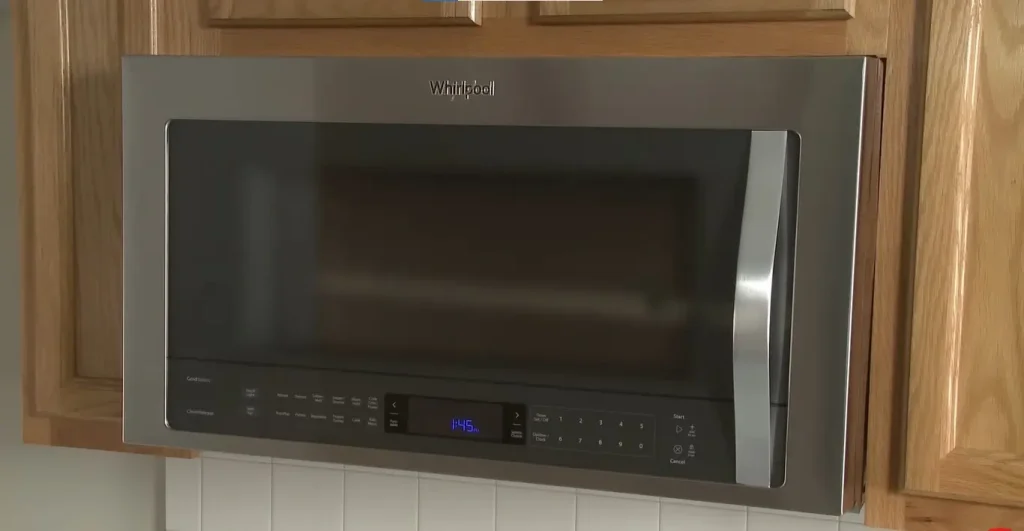
Your microwave turns on, the light comes on, the turntable spins, and the timer counts down, yet the food stays cold. This is one of the most common microwave problems in Stockton homes. The low-voltage side of the appliance still works while the high-voltage side that actually produces heat has failed.
A microwave heats food by generating electromagnetic waves that excite water molecules. The part that creates those waves is called the magnetron. Several other components must work with it, and when any of them fails, the oven runs but produces no heat.
How a Microwave Produces Heat
Household power enters a high-voltage transformer that raises the voltage. A high-voltage capacitor and diode then work together to convert and boost that voltage further. The magnetron turns the high-voltage energy into microwave radiation, and the waves travel through a waveguide into the cooking cavity.
If the magnetron, diode, capacitor, or related safety switches fail, the rest of the microwave can still operate. The result is a unit that looks normal but never heats food.
Most Common Causes
1. Failed Magnetron
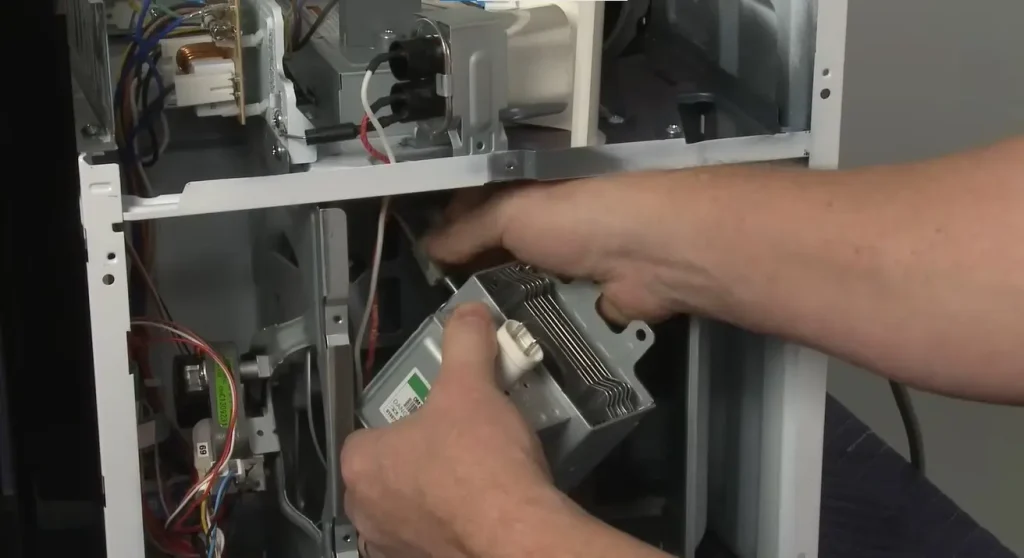
The magnetron is the core component that generates microwave energy. It has a limited lifespan, often lasting several thousand hours of actual heating time. When it fails, the microwave runs with zero heat output.
A failing magnetron may produce a loud hum or buzz before it stops working completely. Once it fails, it cannot be repaired. It must be replaced.
2. High-Voltage Diode Failure
The diode works with the capacitor to convert alternating current into the direct current the magnetron needs and to roughly double the voltage. A failed diode leaves the magnetron without the power it requires.
A shorted or open diode is a frequent cause of a microwave that runs but does not heat. Some failed diodes produce a loud buzzing sound or a burning smell.
3. High-Voltage Capacitor Problems
The capacitor stores and releases energy in the high-voltage circuit. If it fails open or shorts, the magnetron does not receive proper voltage. The microwave may still light up and run the turntable.
This part is dangerous. It can hold a lethal charge even after the microwave is unplugged. Only trained technicians should handle it.
4. Door Interlock Switch Failure
Most microwaves use two or three door switches. These switches confirm the door is fully closed before allowing the high-voltage circuit to energize. If one switch fails, the control board may cut power to the magnetron while still allowing the light, fan, and turntable to operate.
5. Thermal Fuse or Cutout
Thermal protection devices shut down the high-voltage circuit if the magnetron or other parts overheat. A blown thermal fuse can produce the same no-heat symptom while the rest of the unit appears normal.
6. Simple Settings Issues
Demo mode, a very low power setting, or a child-lock feature can sometimes mimic a heating failure. These are worth checking first because they cost nothing to correct.
Safe Checks You Can Perform
Unplug the microwave before any inspection.
- Confirm the power level is set to high (100 percent).
- Check whether demo mode or a control lock is active. Consult the manual for the reset procedure.
- Make sure the door closes firmly, and the latches engage.
- Listen for unusual buzzing or humming during a short test cycle.
- Verify the microwave is receiving full power from the outlet.
Do not open the cabinet or touch internal components. The high-voltage capacitor can retain a dangerous charge long after the unit is unplugged.
When to Call a Professional
Call a technician if:
- The microwave runs normally but produces no heat after basic checks.
- You hear loud buzzing, humming, or notice a burning smell.
- The unit is still under warranty.
- The microwave is an over-the-range or built-in model that is more expensive to replace.
High-voltage repairs require proper discharge procedures, testing equipment, and safety knowledge. Attempting these repairs without experience is unsafe.
Typical Repair Costs
Microwave repairs involving the magnetron, diode, or capacitor commonly range from $100 to $300. Magnetron replacement often falls between $150 and $300 once parts and labor are included, while diode replacement is usually less expensive. A diagnostic fee often runs $70 to $130 and may be applied toward the repair.
For many basic countertop microwaves, the cost of a major high-voltage repair approaches or exceeds the price of a new unit. Repair makes more sense for higher-end, over-the-range, or built-in models that still have useful years remaining. Most household microwaves last 7 to 10 years with normal use.
Local Notes for Stockton Homes
Stockton’s hot summers increase kitchen temperatures. Higher ambient heat can stress microwave components during long cooking sessions. Power fluctuations during peak summer demand can also contribute to premature failure of high-voltage parts.
Dusty conditions common in the Central Valley can affect cooling fans and vents. Keeping the exterior vents clear helps the magnetron run cooler and last longer.
Prevention Tips
- Never run the microwave empty.
- Keep the interior clean so food debris does not arc or damage the waveguide cover.
- Avoid using metal or foil containers.
- Allow short cooling periods between long cooking cycles.
- Keep exterior vents free of dust and grease.
- Use surge protection if your home experiences frequent power fluctuations.
These habits reduce stress on the magnetron and high-voltage components.
What a Professional Visit Usually Includes
A technician will verify the simple settings first, then safely discharge the high-voltage capacitor and test the diode, magnetron, and related components. They explain the exact failure in plain language and give the full cost before starting work. When the repair cost approaches the price of a comparable new microwave, they will usually say so. This follows the same clear approach we use in our process.
Bottom Line
A microwave that runs but does not heat food almost always has a problem in the high-voltage circuit. The magnetron, high-voltage diode, and capacitor are the parts that fail most often. Door switches and thermal fuses can produce the same symptom.
Start with the free checks for power level, demo mode, and door closure. If the food still stays cold, professional diagnosis is the safe next step. Stockton homeowners who address the problem early avoid repeated frustration and make a clear choice between repair and replacement.
Contact a local technician when the basic steps do not restore heating. Clear testing and honest advice help you decide the best path forward.