Ice Maker Not Working – Common Problems and Repairs
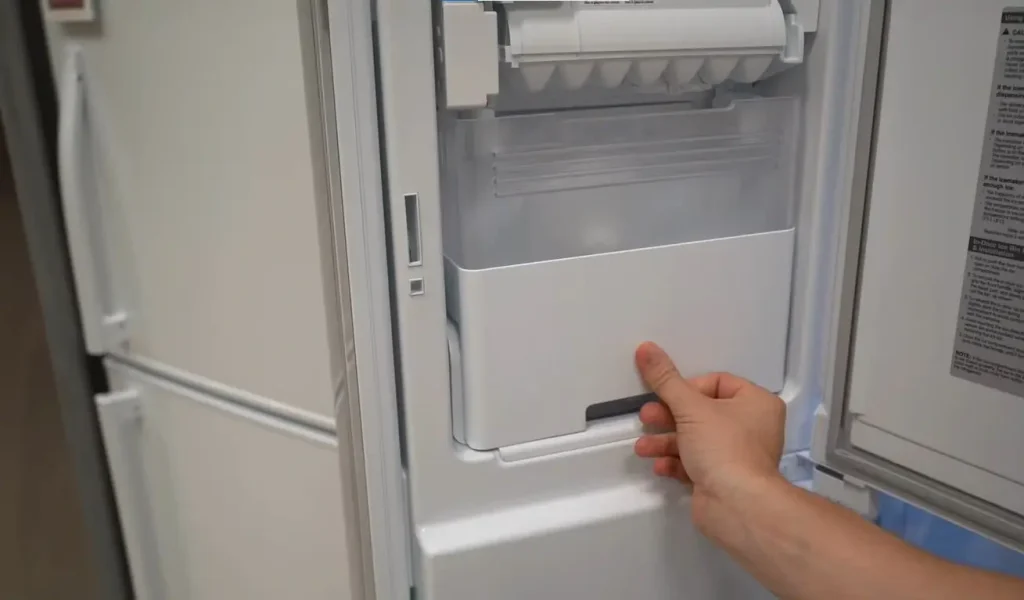
Your refrigerator runs fine. The freezer feels cold. Yet the ice maker produces no ice, or only small, hollow cubes. This is one of the most frequent service calls for refrigerators in Stockton homes.
An ice maker needs three things to work: cold air, water, and a functioning cycle. When any of these fails, ice production stops. Most problems trace back to a short list of causes.
How an Ice Maker Works
Water enters through a supply line and a water inlet valve. It travels through a fill tube into a mold. The freezer must stay cold enough for the water to freeze solid. A thermostat or sensor then signals the ice maker to harvest the cubes. An ejector arm or heater releases them into the bin.
If the freezer is too warm, the cycle never starts. If water cannot reach the mold, no ice forms. If the module fails, cubes stay stuck or never eject.
Most Common Causes
1. Ice Maker Shutoff Arm or Switch in the Off Position
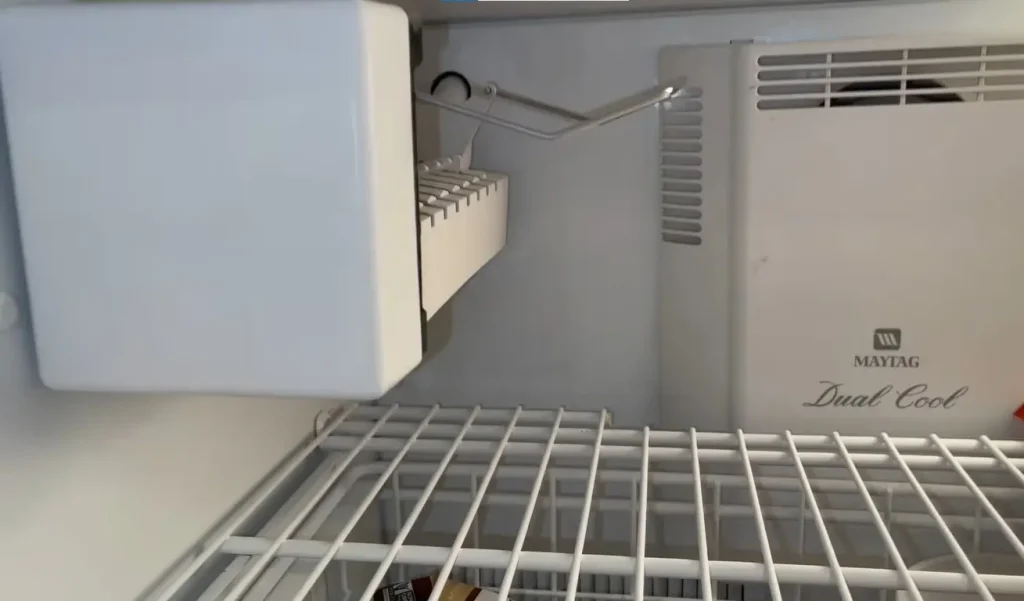
Most ice makers have a wire arm or paddle that rises when the bin is full. This turns the unit off. The arm can get bumped upward by a bag of frozen food or when someone reaches into the freezer. Newer models use a switch or optical sensor that can also be blocked.
Check the arm first. It should sit in the down position for the ice maker to run.
2. Freezer Temperature Too Warm
Ice makers need the freezer at about 0°F to 5°F. Above roughly 10°F, the harvest cycle usually will not trigger. A freezer that has drifted warmer because of a dirty condenser, weak door seal, or cooling problem will stop ice production even if the ice maker itself is fine.
Always verify the actual temperature with a thermometer before replacing parts.
3. Clogged or Restricted Water Filter
The water filter restricts flow as it loads with sediment. Low flow underfills the mold. Cubes become small or hollow. Eventually, production stops. Most manufacturers recommend replacement every six months. Many homeowners wait longer.
4. Frozen Fill Tube
The small tube that delivers water into the ice mold can freeze solid. Low water pressure, a seeping inlet valve, or a slight drip allows water to freeze in the tube. When the tube blocks, no water reaches the mold.
This is one of the most frequent causes of sudden ice maker failure.
5. Failed Water Inlet Valve
The inlet valve is an electrically controlled solenoid at the back of the refrigerator. It opens to send water to the ice maker. Mineral deposits can clog it. The solenoid coil can burn out. Low household water pressure (below about 20 psi) can also prevent the valve from opening fully.
When the valve fails, you may hear a faint buzz during the fill attempt but see no water enter the mold.
6. Failed Ice Maker Module or Assembly
The module contains the motor, thermostat, and ejector mechanism. When it fails, the mold may fill, but cubes never eject, or the cycle never starts. On many models, the entire assembly is replaced as one unit.
Safe Checks You Can Perform First
- Confirm the shutoff arm is down or the ice maker switch is on.
- Check the freezer temperature with a thermometer. Aim for 0°F to 5°F.
- Replace the water filter if it is older than six months.
- Look at the fill tube where it enters the ice maker. If you see ice, thaw it carefully with warm water or low heat from a hair dryer.
- Make sure the water supply valve behind the refrigerator is fully open, and the line is not kinked.
- Empty the ice bin and remove any bridged ice that may hold the shutoff arm up.
These steps resolve a large share of no-ice complaints.
When to Call for Professional Repair
Call a technician if:
- The fill tube freezes repeatedly.
- You hear the valve buzz, but no water enters.
- The ice maker cycles but never ejects cubes.
- The freezer cannot hold proper temperature.
- Water leaks appear around the valve or lines.
- The refrigerator is still under warranty.
Working on the water inlet valve or internal ice maker components requires proper testing and safe handling of water and electricity.
Typical Repair Costs
Ice maker repairs commonly range from $100 to $350. Many jobs fall between $150 and $250 once parts and labor are combined.
A diagnostic fee often runs $70 to $130 and is frequently applied toward the repair. Replacing a water inlet valve or the ice maker assembly are the most common paid repairs. Full assembly replacement costs more than a simple valve.
Repair usually makes sense when the refrigerator still cools well and has remaining useful life. Most refrigerators last 13 to 17 years. An ice maker problem alone rarely justifies replacing the entire appliance.
Local Notes for Stockton Homes
Stockton’s hot summers increase refrigerator run time. Higher ambient temperatures can push freezer temperatures upward if condenser coils are dirty or airflow is restricted. Dusty conditions common in the Central Valley also load water filters faster.
Homes with older plumbing or lower water pressure may see more frequent inlet valve and fill-tube problems. Regular filter changes and clean condenser coils help keep ice production steady.
Prevention Tips
- Replace the water filter on schedule.
- Keep the freezer at the recommended temperature.
- Clean condenser coils at least once a year.
- Avoid blocking freezer vents with packages.
- Check the shutoff arm after loading the freezer.
- Address any water dispenser issues promptly, as they often share the same supply components.
What a Professional Visit Usually Includes
A technician will measure freezer temperature, test water pressure and the inlet valve, inspect the fill tube, and check the ice maker module. They explain the exact problem in plain language and give the full cost before starting work. Most ice maker repairs are completed in a single visit with quality parts and a clear warranty.
Bottom Line
An ice maker that stops working is usually caused by a raised shutoff arm, a warm freezer, a clogged filter, a frozen fill tube, a failed inlet valve, or a bad module. Start with the simple checks. Many problems clear without parts.
If ice production does not resume, professional diagnosis restores the system and prevents repeated failures. Stockton homeowners who keep filters fresh and freezer temperatures correct enjoy reliable ice with fewer interruptions.
Contact a local technician when the basic steps do not solve the problem. Fast service limits the inconvenience and keeps your refrigerator working as it should.