Simple Appliance Maintenance Tips for Stockton Homes
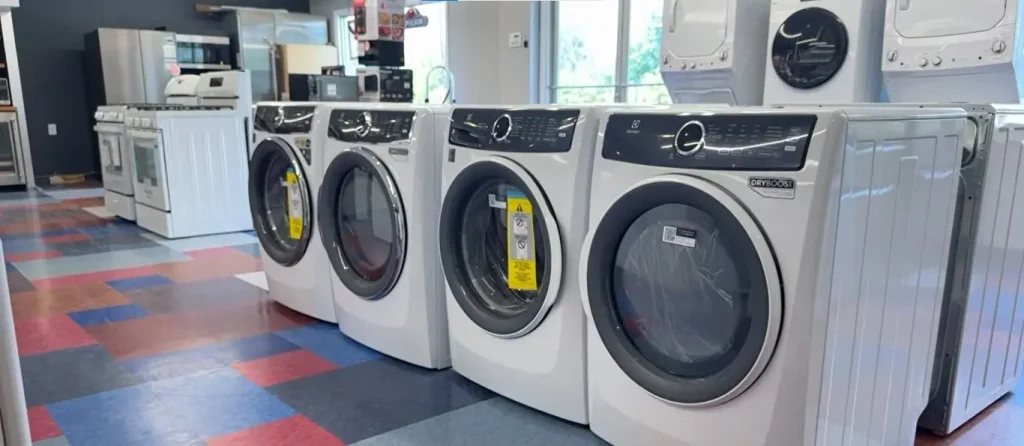
Regular maintenance keeps appliances running longer and costs less than unexpected repairs. In Stockton and the Central Valley, heat, dust, and hard water make basic care even more important.
These practical steps take little time. They reduce energy use, prevent common failures, and help your machines reach their expected lifespan.
Refrigerator Maintenance
Dirty condenser coils force the compressor to work harder, which raises energy use and shortens component life. Clean the coils every 6 to 12 months, or every 3 to 6 months in homes with pets or heavy dust. Unplug the refrigerator first, locate the coils (usually behind a front grille at the bottom or on the back of older models), and use a vacuum with a brush attachment or a coil brush to remove dust and debris. Wipe stubborn buildup with a damp cloth if needed.
Check door seals monthly by closing the door on a piece of paper. If the paper slides out easily, the seal may need cleaning or replacement. Wipe seals with warm soapy water.
Keep the interior organized so air can circulate. Set the refrigerator to 37–40°F and the freezer to 0°F, and replace water filters on schedule if your model has a dispenser.
Dryer Maintenance
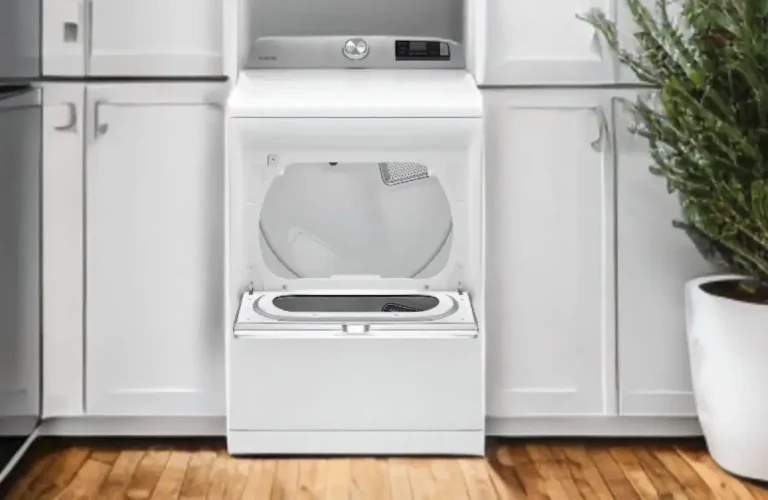
Lint buildup is a leading cause of dryer fires and long dry times. Clean the lint screen after every load. Wash the screen with warm, soapy water every few months to remove film from dryer sheets.
Clean the full dryer vent at least once a year. Disconnect the vent hose from the dryer and the wall. Use a vent brush or vacuum to remove lint from both ends. Check the outdoor vent flap so it opens freely and is free of debris or nests.
Strong airflow at the outdoor vent means the system is clear. Weak airflow signals a restriction that needs attention. Restricted vents cause overheating, blown thermal fuses, and higher energy use.
Washing Machine Maintenance
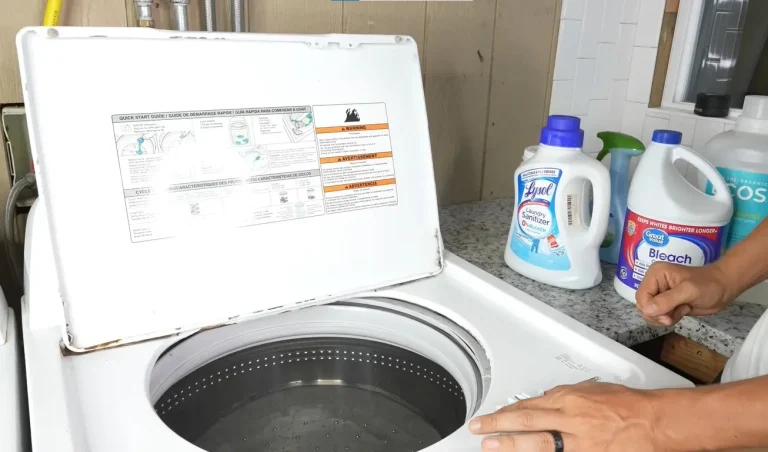
Hard water in the Central Valley leaves mineral scale on valves, heating elements, and internal parts, which shortens component life. Run a cleaning cycle monthly with a washer cleaner or white vinegar according to the manufacturer’s instructions. Wipe the door seal and detergent drawer regularly, especially on front-loaders, to prevent mold and residue.
Leave the door open between loads so the drum can dry. This reduces musty smells and mildew.
Inspect the water supply hoses every year for cracks, bulges, or leaks. Replace rubber hoses every 5 years or sooner if they show wear; stainless-steel braided hoses last longer. Clean the inlet filter screens on the hoses every few months if water flow slows.
Dishwasher Maintenance
Food debris and hard-water scale reduce cleaning performance and stress the pump and heating element. Clean the filter every month or more often with heavy use by removing it, rinsing under hot water, and scrubbing with a soft brush. Clear the spray-arm holes with a toothpick or thin wire.
Run an empty cleaning cycle with dishwasher cleaner or a bowl of white vinegar on the top rack every 1 to 3 months to help dissolve mineral deposits common in Stockton water. Wipe the door gasket and edges to remove food particles and prevent leaks.
Oven, Range, and Cooktop Care
Wipe spills promptly so they do not bake on. For self-cleaning ovens, follow the manufacturer’s instructions and use the cycle only as needed. Clean glass cooktops with non-abrasive cleaners to avoid scratches.
Check door seals periodically for damage that allows heat to escape.
Why Central Valley Conditions Matter
Stockton summers are hot. Refrigerators and air-cooled components run longer and harder. Dust from agricultural areas coats coils and clogs vents faster than in many other regions. Hard water deposits calcium and magnesium scale inside dishwashers, washers, and water heaters. Scale reduces efficiency and shortens part life.
These conditions do not require special tools. They simply mean more frequent attention to coils, vents, filters, and descaling. Understanding local factors also helps when evaluating what affects appliance repair prices in the Central Valley.
Simple Maintenance Schedule
Task | Frequency |
Clean dryer lint screen | Every load |
Clean dishwasher filter | Monthly |
Wipe washer door seal and detergent drawer | Monthly |
Run washer or dishwasher cleaning cycle | Monthly |
Clean refrigerator coils | Every 6–12 months (more often with pets or dust) |
Inspect dryer vent and outdoor flap | Every 6–12 months |
Full dryer vent cleaning | At least yearly |
Check washer hoses | Yearly |
Clean dishwasher spray arms | Every 3 months |
Quick Safety Notes
Always unplug appliances or shut off power before cleaning coils or accessing internal areas. For gas dryers, also shut off the gas supply if you disconnect lines. Never force bent coil fins. Use only manufacturer-approved cleaners when possible.
Bottom Line
Simple, consistent care prevents many common failures. Clean refrigerator coils, clear dryer vents, maintain filters, and address hard-water scale. These steps cost little time and money compared with emergency repairs.
Stockton homeowners who follow a basic schedule see fewer breakdowns, lower energy use, and longer appliance life. Start with the tasks that match your machines and local conditions. Small habits add up.