How Long Do Appliances Last? (And When Repair Stops Making Sense)
Every major appliance has an expected service life. Knowing those averages helps you decide when a repair is still smart and when replacement is the better long-term choice.
Lifespan is not a guarantee. Brand quality, usage intensity, maintenance, water quality, and climate all move the numbers. Still, the ranges below give a realistic baseline for most homes.
Average Lifespan of Major Home Appliances
Appliance | Typical Range | Notes |
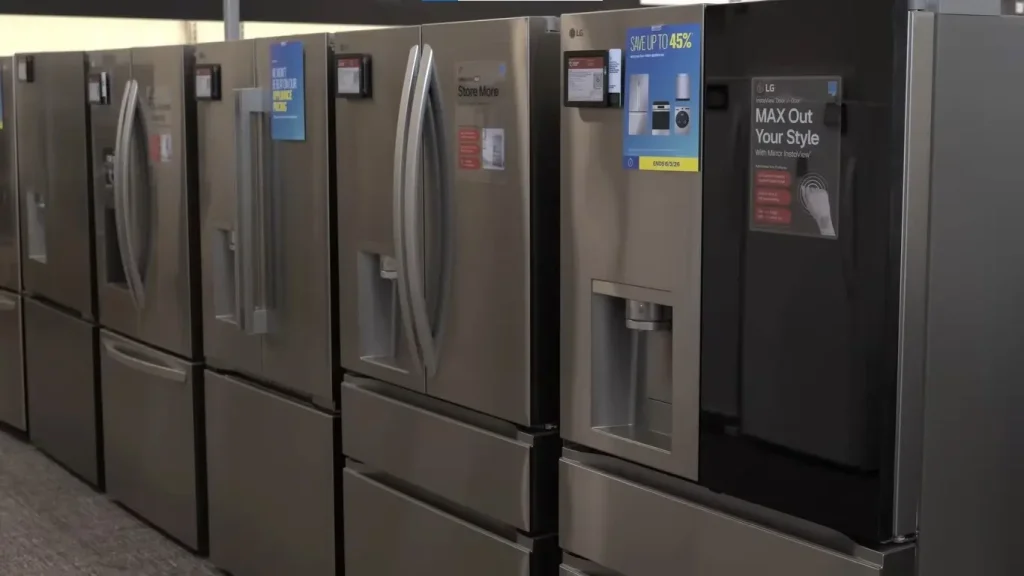
Refrigerator | 10–17 years | Top-freezer models often last longer than French-door or side-by-side units |
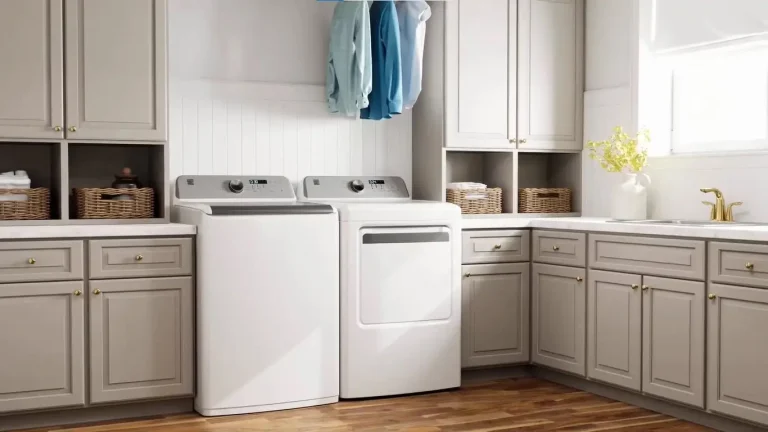
Washing Machine | 10–13 years | Top-load agitator models tend to outlast many front-loaders |
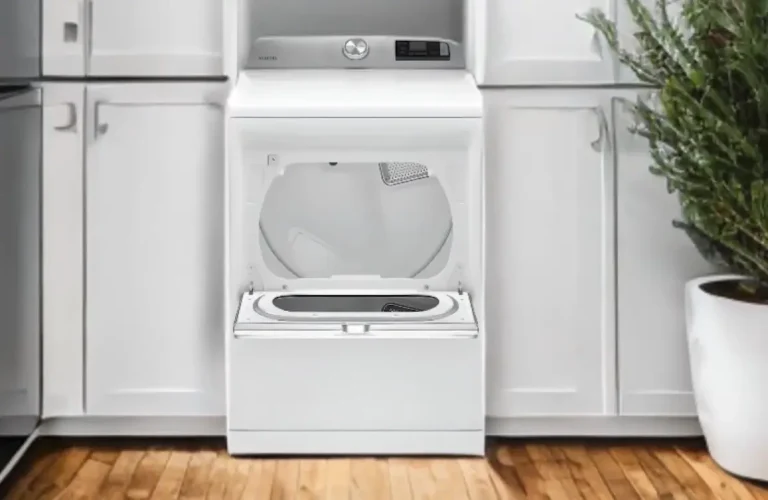
Dryer | 12–15 years | Gas and electric are similar when vents stay clear |
Dishwasher | 9–12 years | Heavy water and heat exposure shortens life |
Oven / Range | 13–18 years | Gas models often last longer than electric |
Microwave | 9–12 years | Magnetron wear is a common end-of-life factor |
Standalone Freezer | 14–20 years | Chest freezers frequently outlast upright models |
These figures come from a combination of industry data, Department of Energy service-life analyses used in efficiency rulemakings, and long-term field observations. Individual results vary.
What Shortens or Extends Appliance Life
Heavy daily use shortens life. A washer that runs multiple loads every day accumulates cycles faster than one used a few times a week. Hard water leaves mineral scale that stresses valves, pumps, and heating elements. Restricted dryer vents force the machine to work harder and raise fire risk.
Skipping basic cleaning of coils, filters, and seals accelerates wear. Simple habits help. Level the machine. Clean condenser coils on refrigerators.
Empty dryer lint traps after every load and clean the full vent periodically. Use the correct detergent type and amount. Keep the area around appliances clear for airflow.
When Repair Still Makes Sense
Repair is usually the better choice when three conditions are met:
- The appliance is still within roughly the first two-thirds of its expected life.
- The repair cost stays well under half the price of a comparable new unit.
- The failure is an isolated, common part rather than a structural or sealed-system problem.
Pumps, valves, belts, heating elements, igniters, door seals, thermal fuses, and many control components fall into this category. A solid diagnosis and a clear written quote let you apply the numbers with confidence.
When Replacement Usually Wins
Replacement becomes the stronger option when:
- The appliance is past the midpoint of its expected life, and the repair is expensive.
- The failure involves a major component such as a compressor, transmission, drum bearings, or a cracked tub.
- Multiple problems appear close together.
- The machine uses significantly more energy or water than current models.
- Parts are becoming hard to find.
A widely used guideline is the 50% rule. If the repair costs more than about half the price of a comparable new appliance, and the unit is already well into its expected life, replacement often costs less over the next several years. Age matters as much as the dollar amount. The same $300 repair looks different on a four-year-old machine than on a twelve-year-old one. For a detailed look at this decision on washers, see our guide on whether it is worth repairing a washer over 8 years old.
Practical Decision Steps
- Get an accurate diagnosis and a written repair estimate.
- Note the age and overall condition of the appliance.
- Compare the repair cost to the installed price of a similar new model.
- Consider recent repair history and energy performance.
- Factor in delivery, installation, and haul-away costs for a new unit.
If the numbers favor repair and the machine has been reliable until now, fixing it usually keeps more money in your pocket in the short term. If the quote is high and remaining life is limited, replacement reduces the chance of another failure soon after.
Local Factors for Stockton Homes
Stockton’s hot summers increase run time on refrigerators and air-conditioned spaces. Higher ambient temperatures raise the load on compressors and condenser fans. Dusty conditions common in the Central Valley accelerate lint buildup in dryer vents and dust on refrigerator coils. Hard water in some areas can shorten the life of washers, dishwashers, and water-using components.
Regular coil cleaning, vent maintenance, and attention to water quality help local appliances reach or exceed average lifespans. Homes that keep up with these basics often see fewer early major failures.
Bottom Line
Most major appliances last between 9 and 17 years depending on the type. Refrigerators and ranges tend to live longest. Dishwashers and microwaves sit at the shorter end. Washers and dryers fall in the middle.
Repair makes financial sense when the cost is reasonable relative to remaining life. Once an appliance is past the midpoint of its expected service life and faces a major repair, replacement frequently delivers better long-term value.
A clear diagnosis from a local technician gives you the exact information needed to decide. Stockton homeowners who weigh age, repair cost, and remaining life carefully avoid both unnecessary spending and premature replacement.
Not sure whether to repair or replace?
A clear diagnosis from a local Stockton technician gives you the exact problem, cost, and remaining life so you can decide with confidence. Contact us for straightforward testing and honest advice.