Average Appliance Repair Costs in Stockton, CA (2026)
Most appliance repairs in 2026 cost between $100 and $400, including parts and labor. The national average for a completed job often falls near $250–$300. California pricing, including Stockton and the broader Central Valley, typically runs at or slightly above the national average because of labor rates, licensing, insurance, and operating costs.
A diagnostic or service-call fee of $70 to $130 is standard across the industry. Many reputable companies apply this fee toward the repair if you approve the work. Always confirm that policy before booking. Understanding what drives the final number helps you evaluate quotes fairly and avoid surprises.
Typical Repair Cost Ranges by Appliance
Appliance | Typical Repair Range (2026) | Common Issues | Higher-Cost Notes |
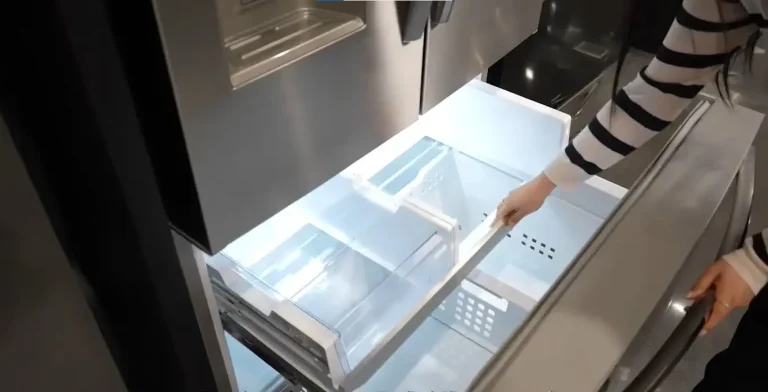
Refrigerator | $150–$500 | Fan motors, defrost system, door seals, ice makers | Sealed-system / compressor work often $700–$1,400+ |
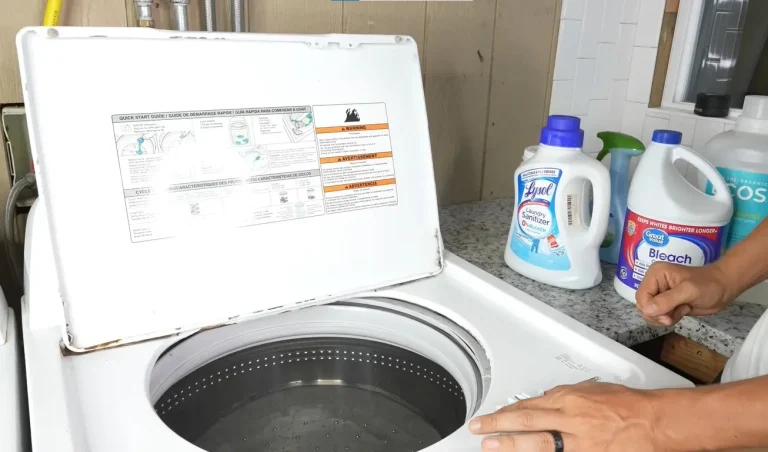
Washing machine | $100–$400 | Drain pump, lid switch, inlet valve, control board | Bearings and major motor work push higher |
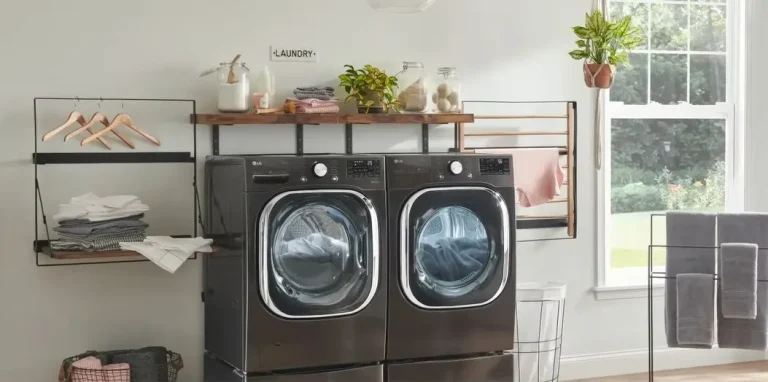
Dryer | $100–$300 | Heating element, thermal fuse, belt, rollers | Gas igniter and valve coils slightly higher |
Dishwasher | $100–$300 | Drain pump, inlet valve, door latch, heating element | Control boards and circulation pumps cost more |
Oven / range | $150–$350 | Bake/broil elements, igniters, sensors | Control boards raise the total |
Microwave | $100–$250 | Door switches, magnetron, turntable motor | Major part failures often approach new-unit cost |
These ranges reflect typical residential freestanding appliances using standard parts and normal access. Built-in, panel-ready, or premium European brands usually cost more because parts prices are higher and labor access can take longer.
What the Diagnostic Fee Actually Covers
The diagnostic fee is not a trip charge alone. It pays for the technician’s travel time, vehicle costs, tools, diagnostic equipment, and the expertise required to identify the exact failure. A proper diagnosis includes visual inspection, electrical testing with a multimeter, operational checks, and review of model-specific service information.
Most companies credit this fee toward the repair if you authorize the work. When the fee is not credited, the total cost rises. Ask for a written estimate after diagnosis and before any repair begins. Transparent pricing is a strong sign of a professional operation.
What Drives the Final Price
Several clear factors change the bill from one home to the next.
Part type and cost
A thermal fuse or door latch is inexpensive. A control board, circulation pump, drive motor, or refrigerator compressor costs hundreds of dollars. The part itself often accounts for the largest swing in total price.
Brand and model
Standard brands such as Whirlpool, GE, Maytag, Frigidaire, and similar lines generally have lower part prices and better availability. Premium and built-in brands (Sub-Zero, Bosch, Miele, Thermador, Viking, and comparable) carry higher part costs. Older or less common models can face longer wait times or higher prices when parts must be ordered.
Labor time and access
A freestanding dryer or washer is usually faster to service. A built-in dishwasher, counter-depth refrigerator, or unit installed in tight cabinetry requires more time to pull, diagnose, and reinstall. Extra labor minutes raise the final price even when the part is the same.
For a deeper look at the factors that shape local pricing, see our guide on what affects appliance repair prices in the Central Valley.
Labor rates and region
California labor rates sit higher than many other states. Stockton and the Central Valley generally track closer to statewide averages than to the highest coastal metro prices, but they still run above the national baseline.
Emergency and after-hours service
Same-day, evening, weekend, or holiday calls often carry a surcharge. Planning non-urgent repairs during regular business hours keeps costs lower.
Local Conditions That Affect Failure Rates in Stockton
Heat, dust, and hard water do not change the published price list, but they influence how often certain failures appear and how hard appliances work. Hot Central Valley summers force refrigerators to run longer and more frequently, which increases wear on compressors and condenser fans. Dust from agricultural areas coats condenser coils faster and clogs dryer vents more quickly than in many other regions, leading to overheating, longer dry times, and blown thermal fuses.
Hard water is common across much of the Central Valley. Mineral scale builds up on dishwasher heating elements, water inlet valves, pumps, and washing-machine components, reducing efficiency and shortening part life. Regular filter cleaning, occasional descaling, and attention to water quality reduce the chance of these higher-cost failures.
These local conditions make basic maintenance more valuable. Clean refrigerator coils every 6–12 months (more often with pets or heavy dust), clean the dryer lint screen after every load and the full vent at least yearly, and clean dishwasher filters monthly while running cleaning cycles as needed.
How a Typical Bill Breaks Down
A completed repair usually includes:
- Diagnostic / service-call fee (often credited)
- Replacement parts
- Labor time beyond the initial diagnostic window
- Basic testing after the repair
Taxes and any special-order or disposal fees may appear as separate line items. Ask for an itemized written estimate so you can see exactly what you are paying for.
Repair vs Replace Decision Framework
Cost alone does not decide the outcome. Age and remaining expected life matter just as much.
Use the common 50% guideline as a starting point. If the repair quote exceeds roughly half the cost of a comparable new appliance and the unit is past the midpoint of its expected life, replacement often makes more financial sense.
Approximate average lifespans:
- Refrigerators: 10–17 years
- Washers: 8–12 years
- Dryers: 10–13 years
- Dishwashers: 9–12 years
- Ovens and ranges: 13–15+ years
A $180 heating-element repair on a six-year-old dryer is almost always worth doing. A $900 compressor job on a 13-year-old refrigerator frequently favors replacement. Simple mechanical repairs on machines under 8–10 years old nearly always favor fixing the current unit.
Questions to Ask Before Approving a Repair
- Is the diagnostic fee applied toward the repair?
- Will I receive a written estimate before any work begins?
- What is the exact part that failed and its cost?
- Are parts and labor covered by a warranty? For how long?
- How long will the repair take, and will parts need to be ordered?
- Based on the age and condition of this appliance, do you recommend repair or replacement?
Clear answers to these questions reduce risk and build trust.
Practical Ways to Keep Costs Lower
Schedule non-emergency repairs during regular business hours. Keep dryer vents clear and refrigerator coils clean. Address hard-water scale with regular filter cleaning and occasional descaling. Catch small problems early before they become larger failures.
When you receive a quote, compare it against the age of the appliance and the installed cost of a similar new model. A transparent diagnosis and written estimate give you the real numbers needed to decide.
Bottom Line for Stockton Homeowners
In 2026, most common appliance repairs in the Stockton area fall between $100 and $400. Diagnostic fees typically range from $70 to $130 and are often credited toward the repair. Refrigerators sit at the higher end of the range, especially for sealed-system work. Dryers and many dishwasher and washer repairs fall toward the lower and middle portions of the range.
California labor and operating costs place local pricing at or slightly above national averages. Heat, dust, and hard water increase the frequency of certain failures but do not change the underlying price structure.
A clear diagnosis, written estimate, and honest discussion of age versus cost give you the information needed to choose wisely. Stockton homeowners who understand these ranges can evaluate quotes fairly, avoid unnecessary spending, and decide whether repair or replacement is the better long-term choice for their home.