Washer Not Spinning or Draining – Common Causes & Fixes
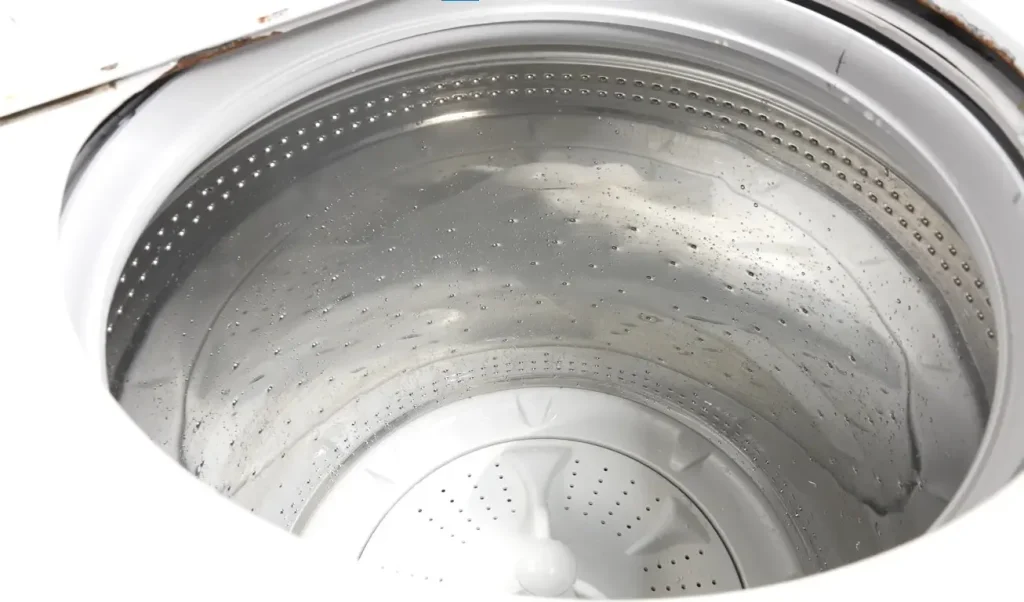
Your washing machine fills with water and may even agitate the clothes, then it stops. Water stays in the drum, the spin cycle never starts or ends too early, and clothes come out heavy and soaking wet. This problem is one of the most common washer complaints. It interrupts laundry for many Stockton households, especially in larger families that run multiple loads each week.
Most modern washers will not spin at high speed until the water drains, so the two functions are linked by design. When draining fails, spinning usually fails too. Understanding the connection helps you find the real cause faster.
Why Drain and Spin Problems Happen Together
Washers follow a fixed sequence controlled by the electronic board or timer. After the wash or rinse phase ends, the control system sends power to the drain pump. The pump pushes water out through the drain hose into the standpipe or laundry sink.
Sensors or a pressure switch monitor the water level. Only when the level drops far enough does the machine allow the high-speed spin. If water remains, the control logic blocks the spin. This protects the machine from severe imbalance and possible overflow.
The link between drain and spin explains why many “won’t spin” calls actually start as drain problems.
Most Common Causes Ranked by Frequency
1. Clogged Drain Filter, Pump, or Hose
This is the leading cause on many models. Lint, coins, buttons, hair, socks, and small debris collect in the drain path. Most front-load washers and many newer top-load models have an accessible filter (sometimes called a coin trap or pump filter) near the bottom front or side.
When the filter is blocked, water cannot leave the tub. A kinked, crushed, or partially blocked drain hose behind the machine produces the same symptom. Excess detergent creates thick suds that also slow the pump and leave water behind.
You may hear the pump running with little or no water movement. Error codes related to drainage often appear.
2. Faulty Lid Switch or Door Lock Assembly
Top-load washers use a lid switch. Front-load washers use a door lock or interlock. Both serve as safety devices. The machine will not spin (and on many designs will not drain) unless the control board receives a signal that the lid or door is fully closed and locked.
A worn switch or broken actuator tab is extremely common, especially on older top-loaders. The washer may fill and agitate normally, then sit with water in the drum because the control never advances to the drain and spin phase.
3. Unbalanced or Overloaded Load
Heavy or bulky items such as towels, jeans, blankets, or a single large comforter can shift to one side. Modern washers have sensors that detect imbalance. The machine slows the spin or cancels it completely to protect the suspension and bearings.
An unlevel washer makes imbalance more likely. Even a small difference in the height of the feet can trigger repeated spin failures.
4. Failed Drain Pump
The drain pump can fail electrically (burned motor windings) or mechanically (broken impeller or seized bearing). Small objects that slip past the filter often damage the impeller. You may hear a loud humming or grinding during the drain phase with no water flow, or complete silence where the pump should run.
5. Worn Drive Belt, Coupler, or Related Drive Components
Belt-driven washers rely on a rubber belt that connects the motor to the transmission or drum. The belt can stretch, crack, or break. Direct-drive models use a plastic or rubber coupler that wears out over time. In both cases, the motor may run, but the drum does not reach spin speed.
Safe Checks You Can Perform First
Unplug the machine or turn off power at the breaker before any inspection that requires opening panels or reaching behind the unit.
- Verify the selected cycle is not a low-spin, delicate, or no-spin option.
- Open the lid or door, redistribute the clothes evenly, and run a drain-and-spin cycle.
- Check that all four feet sit firmly on the floor and the machine is level. Adjust as needed.
- Look behind the washer for a kinked, crushed, or disconnected drain hose. Straighten it and confirm it is inserted correctly into the standpipe.
- Locate and clean the drain filter if your model has an accessible one. Place towels underneath and have a shallow pan ready—water will come out.
- Confirm you are using the correct amount of HE (high-efficiency) detergent. Too much creates excess suds that interfere with draining.
These steps resolve a large share of no-drain and no-spin cases. They also give a technician useful information if the problem continues.
When to Stop DIY Work and Call for Service
Stop and call a professional if:
- Water remains after you clear the filter and check the hose.
- You hear grinding, loud humming, or a burning smell.
- The lid switch or door lock shows obvious damage, or the machine ignores a closed lid/door.
- Error codes return after a basic reset.
- The washer is still under manufacturer warranty.
- You are uncomfortable working around standing water and electricity.
Attempting to replace pumps, switches, or drive components without the right tools and testing equipment can cause further damage or create safety risks.
Typical Repair Costs in 2026
Most washing machine repairs fall between $100 and $400. Many common jobs land in the $150 to $350 range once parts and labor are combined. A diagnostic or service-call fee usually ranges from $70 to $130. Technicians often apply this fee toward the final repair cost if you authorize the work.
Simple fixes such as a lid switch, drain pump, or belt replacement stay toward the lower end. Control board or major drive-system repairs cost more. Exact pricing depends on the brand, model, and local labor rates.
Repair generally makes financial sense when the total stays under half the price of a comparable new washer and the machine still has useful life remaining. Most washers last 10 to 14 years with normal household use. Top-load models often reach the higher end of that range.
Local Factors That Affect Washers in Stockton
Stockton’s hot summers increase the number of laundry loads in many homes. Higher use accelerates wear on pumps, switches, and belts. Dusty conditions common in the Central Valley can contribute to faster filter clogging. Homes with older plumbing or hard water may see more mineral and debris buildup in the drain path.
Technicians who work regularly in Stockton and nearby communities recognize these patterns and usually carry the most frequently needed parts.
Practical Prevention Steps
- Clean the drain filter every one to three months if your model has one.
- Avoid overloading the drum. Leave space for clothes to move freely.
- Use only the amount of HE detergent recommended on the bottle.
- Keep the washer level at all times.
- Check the drain hose periodically for kinks or crushing against the wall.
- Empty pockets before washing to keep coins and small objects out of the pump.
- Run a monthly cleaning cycle or tub-clean program if your machine offers one.
These habits reduce the most common causes of drain and spin failure.
What Happens During a Professional Repair Visit
A qualified technician will inspect the entire drain path, test the lid switch or door lock with a meter if needed, check the pump for blockages or electrical failure, and evaluate the drive system. They explain the exact problem in plain language and provide the full cost before any repair begins.
Quality replacement parts and a clear warranty on the work protect the result. Most straightforward drain-pump or switch repairs are completed in a single visit.
Final Recommendation
A washer that will not spin or drain is usually caused by a blocked drain path, a failed safety switch, an unbalanced load, or a bad pump. Start with the simple, safe checks listed above. Many problems clear without parts.
If the issue continues, professional diagnosis restores the machine and prevents larger damage. Standing water and repeated failed cycles only increase the chance of more expensive repairs later.
Stockton homeowners who address the problem early keep laundry on schedule and extend the useful life of the appliance. Contact a local technician for same-day or next-day service when the basic steps do not solve the issue.